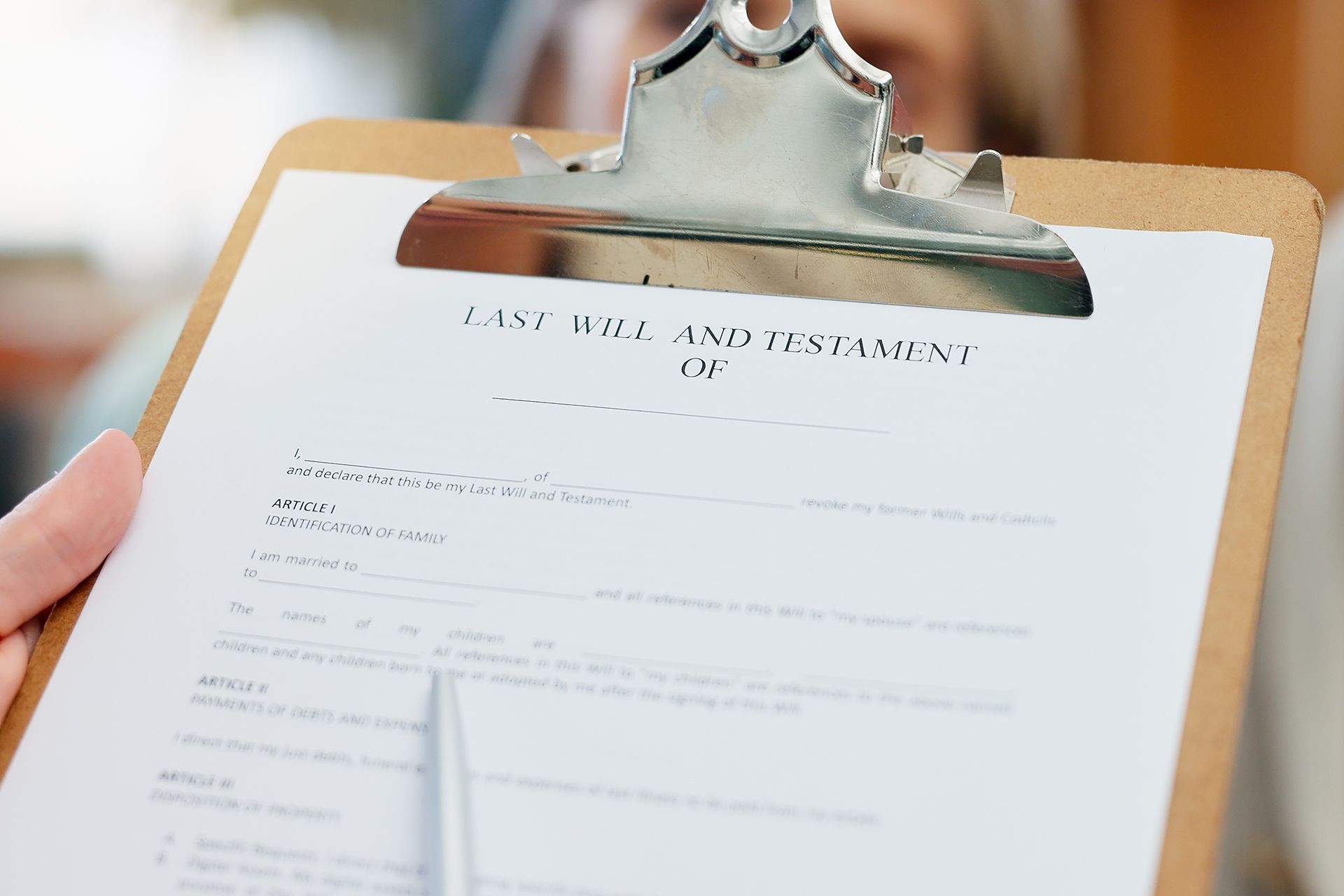
A properly drafted will is a foundational legal document that provides clear direction regarding the distribution of assets, the management of personal affairs, and the protection of loved ones after death. Patricia A. Bennett, ESQ. PC offers will preparation and planning services in Red Bank, NJ to help individuals and families establish legally sound documents that reflect their intentions and comply with New Jersey law.
Wills play a critical role in estate planning by ensuring that property is transferred according to personal wishes rather than state default rules. They can also address guardianship for minor children, outline responsibilities for estate administration, and reduce uncertainty for surviving family members. Careful legal drafting is essential to avoid ambiguity, disputes, or unintended outcomes.
The Purpose and Legal Function of a Will
A will serves as a legally binding document that outlines how an individual’s assets should be distributed upon death. Without a valid will, New Jersey intestacy laws determine how property is divided, which may not align with personal or family preferences. A well-prepared will provides clarity, control, and legal authority.
In addition to asset distribution, wills can designate an executor who is responsible for managing the estate, paying debts, and carrying out final instructions. The document may also include provisions that address specific bequests, charitable gifts, or instructions related to personal property. Each will must meet statutory requirements to be enforceable under New Jersey law.
Core Legal Elements of a Valid Will
- Identification of the testator and intent
- Appointment of an executor
- Distribution of real and personal property
- Compliance with New Jersey execution requirements
- Proper witnessing and signing
Asset Distribution and Estate Planning Considerations
Wills allow individuals to specify how assets such as real estate, bank accounts, investments, and personal belongings should be distributed. Thoughtful planning ensures that beneficiaries receive property in a manner that reflects personal priorities, family dynamics, and financial goals.
Estate planning through a will often involves reviewing asset ownership and beneficiary designations to ensure consistency. Certain assets may pass outside of a will, while others are governed directly by its terms. Legal guidance helps align the will with the overall estate plan and minimizes potential conflicts during probate.
Types of Assets Commonly Addressed in Wills
- Residential and commercial real estate
- Financial accounts and investments
- Personal property and heirlooms
- Business interests
- Digital assets and intellectual property
Guardianship Provisions for Minor Children
For parents, one of the most important functions of a will is the ability to nominate a guardian for minor children. Guardianship designations provide guidance to the court regarding who should assume responsibility for a child’s care if both parents are no longer able to do so. Without this designation, the court determines guardianship based on statutory criteria.
A will can also address how assets should be managed for minors, including the use of trusts or custodial arrangements. These provisions help ensure that financial resources are preserved and used appropriately until children reach adulthood.
Legal Issues Addressed Through Guardianship Planning
- Nomination of primary and alternate guardians
- Financial management for minor beneficiaries
- Coordination with trusts and custodial accounts
- Avoidance of court-appointed guardianship disputes
- Long-term planning for dependent children

Executor Appointments and Estate Administration
The executor named in a will plays a critical role in administering the estate. This individual is responsible for collecting assets, paying debts and taxes, and distributing property according to the will’s terms. Selecting an appropriate executor is an important part of will planning.
Wills can include specific instructions that guide the executor’s actions and limit confusion during the probate process. Clear drafting helps reduce delays and ensures that the estate is administered efficiently under New Jersey probate procedures.
Responsibilities Commonly Assigned to Executors
- Filing probate documents with the court
- Managing estate assets during administration
- Paying outstanding debts and expenses
- Distributing property to beneficiaries
- Closing the estate in accordance with state law
Updating and Reviewing Existing Wills
Life changes can significantly affect the effectiveness of an existing will. Marriage, divorce, births, deaths, changes in financial circumstances, or relocation may require updates to ensure that the document remains accurate and legally enforceable. Regular review is essential to maintaining a valid estate plan.
New Jersey law may also change over time, impacting how wills are interpreted or enforced. Legal review ensures that existing documents continue to meet current requirements and reflect updated intentions.
Situations That Commonly Require Will Revisions
- Marriage or divorce
- Birth or adoption of children
- Acquisition or sale of major assets
- Changes in beneficiaries or executors
- Relocation or changes in state law